Keywords: chef jacket, chef jackets, chef jacket materials, polycotton chef jacket, cotton chef jacket, professional chef uniform.
For many, the chef jacket is an iconic symbol of a demanding and rewarding trade. Professional chefs spend hours refining their skills, preparing exceptional food and creating memorable experiences for customers. Choosing what to wear day in and day out is a personal decision that can make a real difference throughout a shift.
Material, design, fit and breathability all play a part when choosing the right chef jacket. Whether you're working in a busy commercial kitchen, running a restaurant, or looking to upgrade your professional uniform, understanding these differences can help you choose more confidently.
So, where should you start? Let's look at the materials first.
What are chef jackets made from?
Chef jackets are available in a variety of fabrics, each offering different benefits depending on how the garment is designed and used. Polycotton blends are a popular choice for everyday professional chefwear, while cotton fabrics and specialist performance materials offer alternatives for different preferences and working environments.
Understanding what each material brings to the table can help you find a jacket that suits your routine.
Polycotton: A practical choice for professional kitchens
Polycotton is a blend of polyester and cotton, combining the natural feel of cotton with some of the practical advantages of polyester. It is a widely used option in professional workwear, offering a balance of comfort, durability and everyday practicality.
Cotton contributes softness and moisture absorption, while polyester can help the garment retain its shape, resist creasing and dry more quickly than comparable cotton fabrics.
For chefs working long shifts, these qualities make polycotton a versatile choice. It can be particularly useful for hospitality businesses having polycotton jackets as part of their uniform due to their resilience and industrial washing capacity.
However, not all polycotton jackets are the same. The fabric composition, weight, construction and care instructions will influence how a particular garment performs. If your uniforms need to withstand commercial laundering, always check that the jacket is suitable for your required washing temperature and laundry process.
Pima cotton: A premium approach to chefwear
Pima cotton is a variety of cotton known for its long fibres, which can produce a particularly smooth, soft and durable fabric.
In premium chefwear, these qualities can contribute to a more refined feel and finish. For chefs who want their uniform to combine professional presentation with a comfortable wearing experience, Pima cotton is worth considering.
As with other cotton fabrics, its care requirements and suitability for a particular laundry process will depend on the finished garment. It is worth considering how the jacket will be maintained alongside how it feels and looks when worn.
Performance fabrics: Designed around the demands of the shift
Some chef jackets incorporate specialist fabrics or design features intended to improve comfort and practicality during demanding shifts.
Depending on the jacket, these may include lightweight materials, stretch fabric, quick-drying construction or strategically positioned ventilation panels.
For example, ventilation panels help improve airflow in areas where heat builds up, while lightweight fabrics may offer a less substantial feel during a long shift. Stretch materials can also support freedom of movement when reaching, lifting and working across a kitchen.
What else should you consider when choosing a chef jacket?
Material is a useful starting point, but it is only one part of the decision. The design and construction of a jacket can be just as important when it comes to comfort and everyday practicality.
1. Breathability and ventilation
Professional kitchens can become hot, particularly during busy services. A jacket's fabric, weight and construction all influence how comfortable it feels in these conditions.
Look for lightweight fabrics or dedicated ventilation features if airflow is a priority. Remember that breathable fabric and moisture-wicking performance are not the same thing, so check the specific features rather than assuming every fabric blend offers both.
2. Fit and freedom of movement
A chef jacket should allow you to work comfortably without feeling restrictive. Consider whether you prefer a traditional fit or a more tailored silhouette, as well as how the garment feels when reaching, bending and moving around the kitchen.
Sleeve length, fastening style and overall cut can also influence comfort. If you're ordering for a team, consider a range of sizes and fits to help ensure everyone has a jacket that works for them.
3. Durability and care
Chef jackets need to withstand the realities of professional use, including regular wear, spills and frequent washing.
Check the garment's construction, fabric composition and care instructions before buying. If your workplace uses industrial laundry services, confirm that the jacket is suitable for the temperatures and processes used.
A garment that meets your operational requirements and maintains its appearance through repeated use can offer better long-term value than a jacket selected on its initial price alone.
4. Design and professional presentation
A chef jacket is a practical garment, but it also contributes to the overall appearance of a kitchen team.
Traditional white jackets remain a familiar choice, while alternative colours, contrast detailing and contemporary cuts offer different ways to create a distinctive uniform.
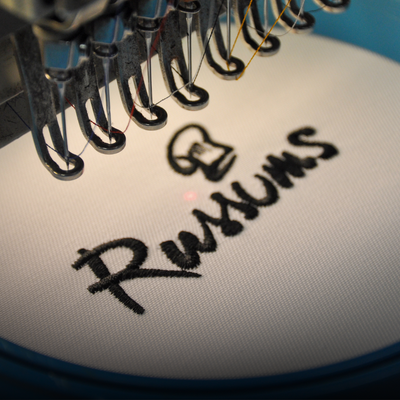
For restaurants, hotels and contract caterers, coordinated chefwear can help establish a consistent professional appearance across a team or multiple sites. Embroidery and personalisation can provide another way to incorporate a business's identity into its uniform.
5. Fastenings and functional details
Small design details can make a difference to how a jacket works for you. Consider the fastening system, collar style, pocket placement and sleeve design when comparing options.
The right combination will depend on your preferences, working environment and the requirements of your role. Focus on the features that you will use throughout the working day.
Choosing chef jackets for your team
For businesses purchasing uniforms for several chefs, the decision involves more than selecting a style everyone likes. The right choice needs to work for the people wearing it and for the operation managing it.
Before placing an order, consider:
- Consistency: Can you maintain a coordinated appearance across your team, department or sites?
- Laundry requirements: Are the garments compatible with your existing laundry processes?
- Comfort and fit: Does the range accommodate the needs and preferences of your staff?
- Long-term value: How do the garments' durability, care requirements and purchase price compare with your operational needs?
- Brand identity: Would branded jackets or personalised details help reinforce your business's professional image?
At Russums, we understand that every kitchen has different requirements, and we support hospitality businesses across the UK in finding solutions for their kitchen staff.
Explore the Russums chef jacket collection to compare styles, materials and features and find the right fit for your kitchens.